Learn Piano: A Modern Beginner’s Guide
A lot of people quietly assume they are “too late” to learn piano properly. Maybe they never took lessons as a child. Maybe they cannot afford weekly classes. Maybe they simply do not have the time to commit to formal training.
The truth is that learning piano looks very different now than it did ten years ago.
Platforms like YouTube, TikTok, interactive apps, and creator communities have completely changed how beginners approach music. Many people are no longer learning through strict classical methods first. They are learning through songs they love, short tutorials, visual guides, and experimentation.
That shift is one of the reasons products like the ROLI Piano have become popular among younger musicians and creators.
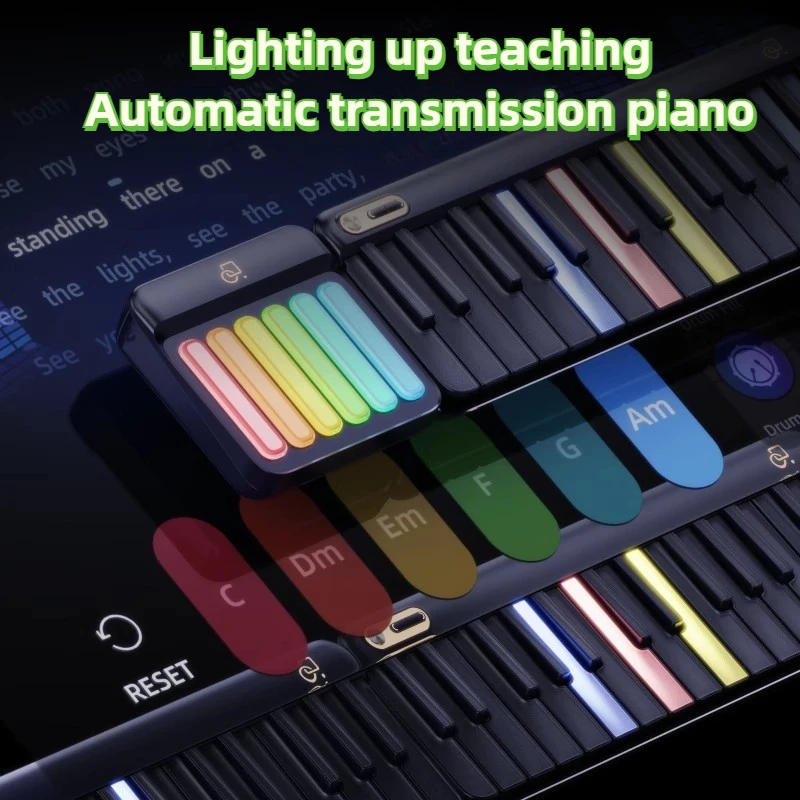
Learning piano without lessons is more achievable now than at any point in history. Tools like the ROLI Piano use light-guided keys to show you exactly which note to play next, making self-teaching faster and far less frustrating than it used to be.
One of the biggest problems beginners face is consistency. Traditional lessons can sometimes make learning feel disconnected from personal creativity. You practice exercises because you are told to, not because you genuinely feel inspired. When motivation disappears, practice usually disappears too.
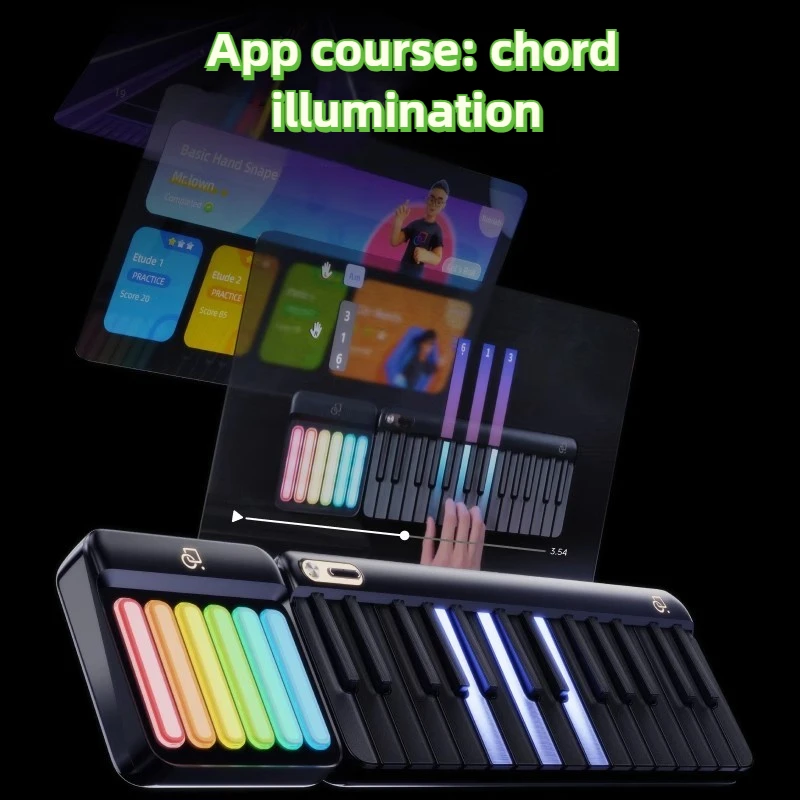
The ROLI Piano approaches learning from a more interactive angle. Instead of staring at sheet music immediately, users can follow illuminated keys that guide them through melodies and chord progressions visually. For visual learners especially, this can make learning feel much more approachable.
That does not mean traditional lessons are useless. Technique, theory, and proper posture still matter. But many people need a reason to fall in love with music first before they are willing to commit long-term.
For beginner songwriters, learning piano independently can actually encourage creativity earlier. Instead of focusing only on technical perfection, people start experimenting with chord progressions, melodies, and emotional ideas from the beginning. That process often keeps motivation alive much longer.
Another advantage of self-learning is flexibility. Students balancing university, work, or travel rarely have fixed schedules every week. A portable electric piano allows practice sessions whenever inspiration appears instead of only during scheduled lesson times.
Modern beginner musicians also consume music differently. They are watching artists break down songs on social media, learning production tricks online, and recording ideas directly into their laptops. Instruments now need to fit into that digital creative workflow.
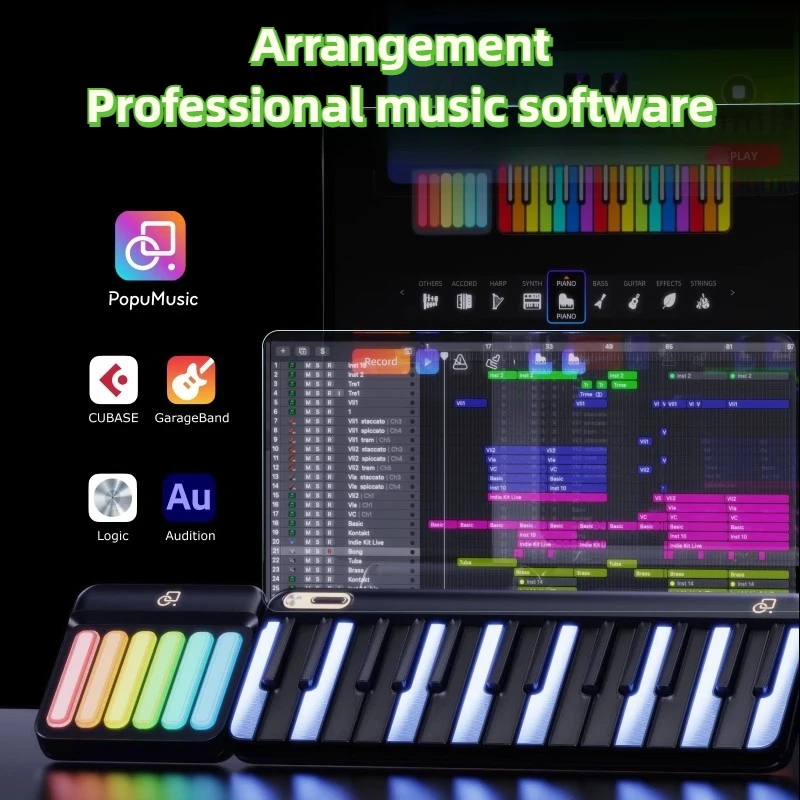
The ROLI Piano connects easily with music production software, which makes it useful beyond simple practice sessions. Someone can learn chords in the afternoon and use those same chords in a demo track later that night. That connection between learning and creating makes practicing feel more rewarding.
There is also something important about removing pressure from the learning process. Traditional piano culture can sometimes feel intimidating, especially for beginners who compare themselves constantly to advanced players online. Self-directed learning creates more freedom to explore music casually and personally.
Mistakes stop feeling embarrassing and start feeling normal.
The portability matters more than people expect too. Creativity rarely appears at convenient times. Some people get ideas while traveling, sitting outside, or relaxing late at night. Having an instrument that can move with you changes how often you actually interact with music.
Of course, learning independently still requires discipline. No keyboard magically teaches someone overnight. Progress comes from repetition and curiosity. But the tools available now make learning more accessible than ever before.
For many people, the question is no longer “Can I learn piano without lessons?”
The better question is:
“What kind of learning process will actually keep me inspired enough to continue?”
That answer looks different for everyone.