Portable Keyboards Are Becoming Essential for Songwriters
Portable keyboards are reason so many modern songwriters work from bedrooms, cafés, hotel rooms, and tiny apartment studios now. Music creation has become mobile.
You no longer need an expensive studio setup to start writing songs. Sometimes all it takes is a laptop, headphones, and a keyboard small enough to carry everywhere.
Portable electric pianos are no longer just “travel versions” of traditional keyboards. For many creators, they have become the main instrument they use daily.
The appeal is not only convenience. It is freedom.
Portable keyboards also make collaboration easier. When you can carry your instrument to a friend’s home studio, a rehearsal space, or a café where you’re meeting a co-writer, the creative process becomes something that fits around your life instead of demanding a dedicated room.
Creative ideas rarely arrive on schedule. Inspiration usually appears randomly: while listening to a playlist at 2 a.m., after hearing a conversation on the metro, or during a quiet moment walking home. When writing music becomes easier to access physically, people create more often.
That is where the ROLI Piano fits naturally into modern songwriting culture.
Unlike bulky keyboards designed mainly for formal practice, the ROLI Piano feels built around creativity and experimentation. Its compact design makes it easy to carry, but what makes it especially interesting for songwriters is the expressive touch technology. Players can glide between notes, apply pressure dynamically, and create textures that feel more emotional and alive.
For songwriters, emotion matters more than technical perfection.
A simple chord progression played with feeling will almost always connect more deeply than something technically complicated but emotionally empty. Instruments that encourage expression make experimentation easier, especially for beginners still developing confidence.
Another major advantage is how naturally portable keyboards fit into music production workflows. Many songwriters today move constantly between playing, recording, editing, and posting content online. The line between musician, producer, and creator is much smaller than it used to be.
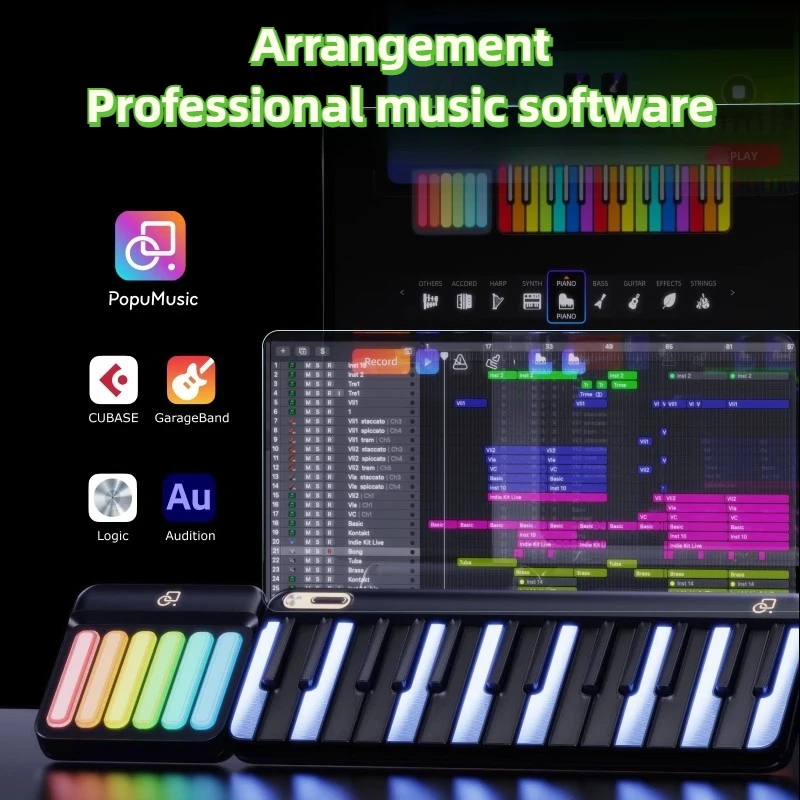
The ROLI Piano connects with music software and digital audio workstations, allowing ideas to move quickly from imagination into actual recordings. That speed matters creatively. When inspiration disappears, unfinished ideas often disappear with it.
Portable instruments also remove the psychological pressure that sometimes comes with large traditional setups. Sitting in front of an expensive studio can feel intimidating. Smaller creative tools often encourage more experimentation because they feel informal and approachable.
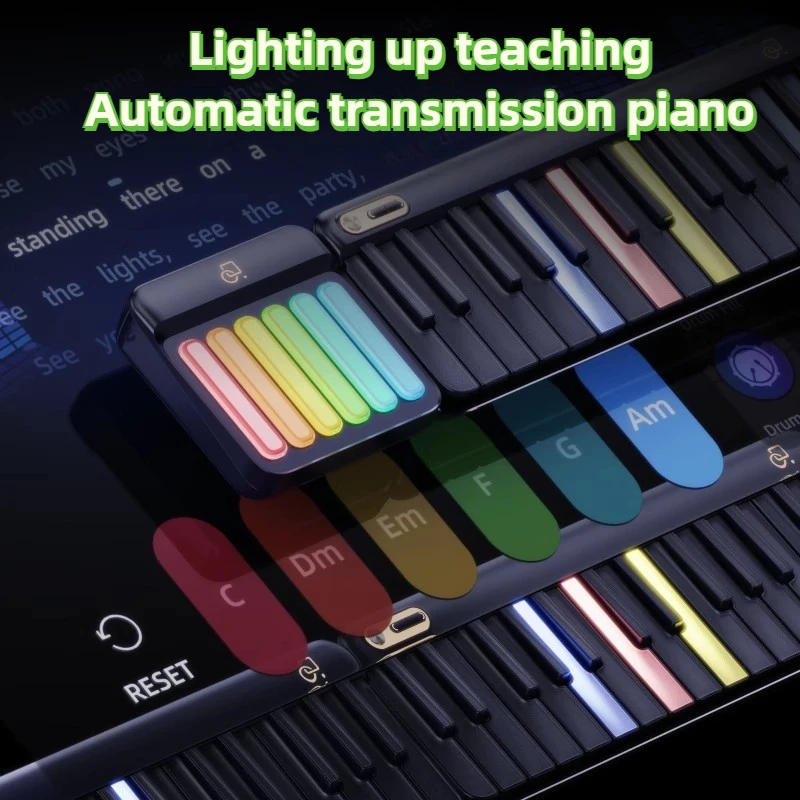
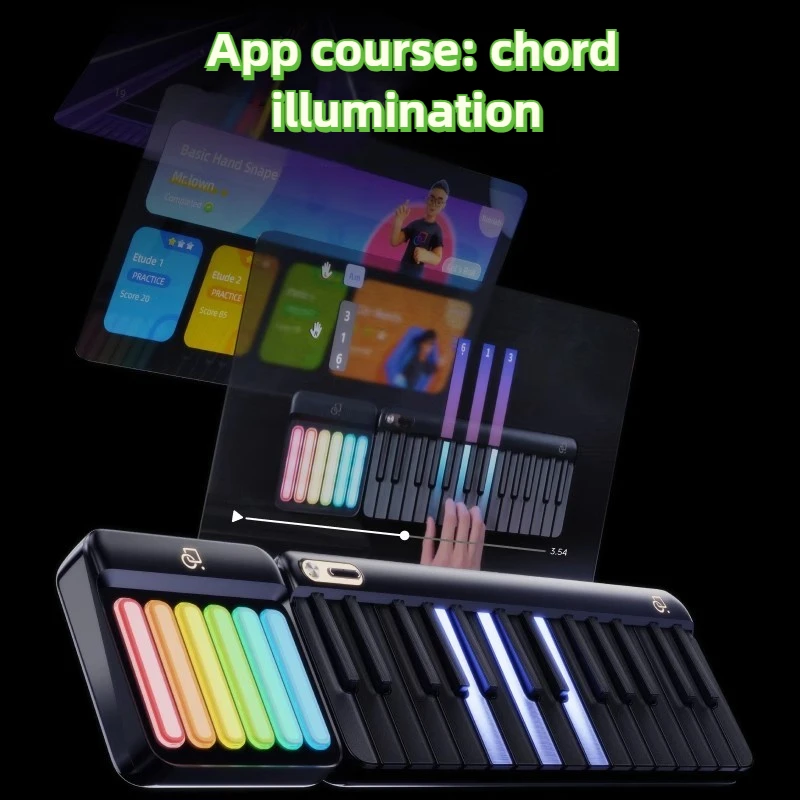
The visual design matters too, especially for creators building an online identity around music. The illuminated colorful keys give the ROLI Piano a modern aesthetic that feels instantly recognizable on camera. On platforms like TikTok and Instagram, visuals influence engagement more than many musicians expect.
Audiences enjoy watching creative processes, not just finished songs.
Because of that, portable keyboards have become part instrument and part creative content tool. Songwriters film demos, livestream practice sessions, record quick melody ideas, and document their creative process online. Instruments that look visually unique naturally become part of that storytelling.
There is also the practical side. Many young musicians simply do not have permanent studio spaces. Students move apartments frequently. Travelers create music while abroad. Apartment walls are thin. A portable keyboard with headphone compatibility solves problems traditional pianos cannot.
The interesting thing is that portability no longer feels like a compromise. Years ago, smaller keyboards often sacrificed sound quality or creative flexibility. Modern portable instruments are increasingly designed for serious creative work.
That shift reflects how music itself has changed. Creativity is becoming less tied to location and more connected to accessibility. The easier it becomes to create instantly, the more likely people are to keep creating consistently.
For modern songwriters, that consistency matters more than waiting for perfect studio conditions.